

Cyber-Security for Smart Grid Control

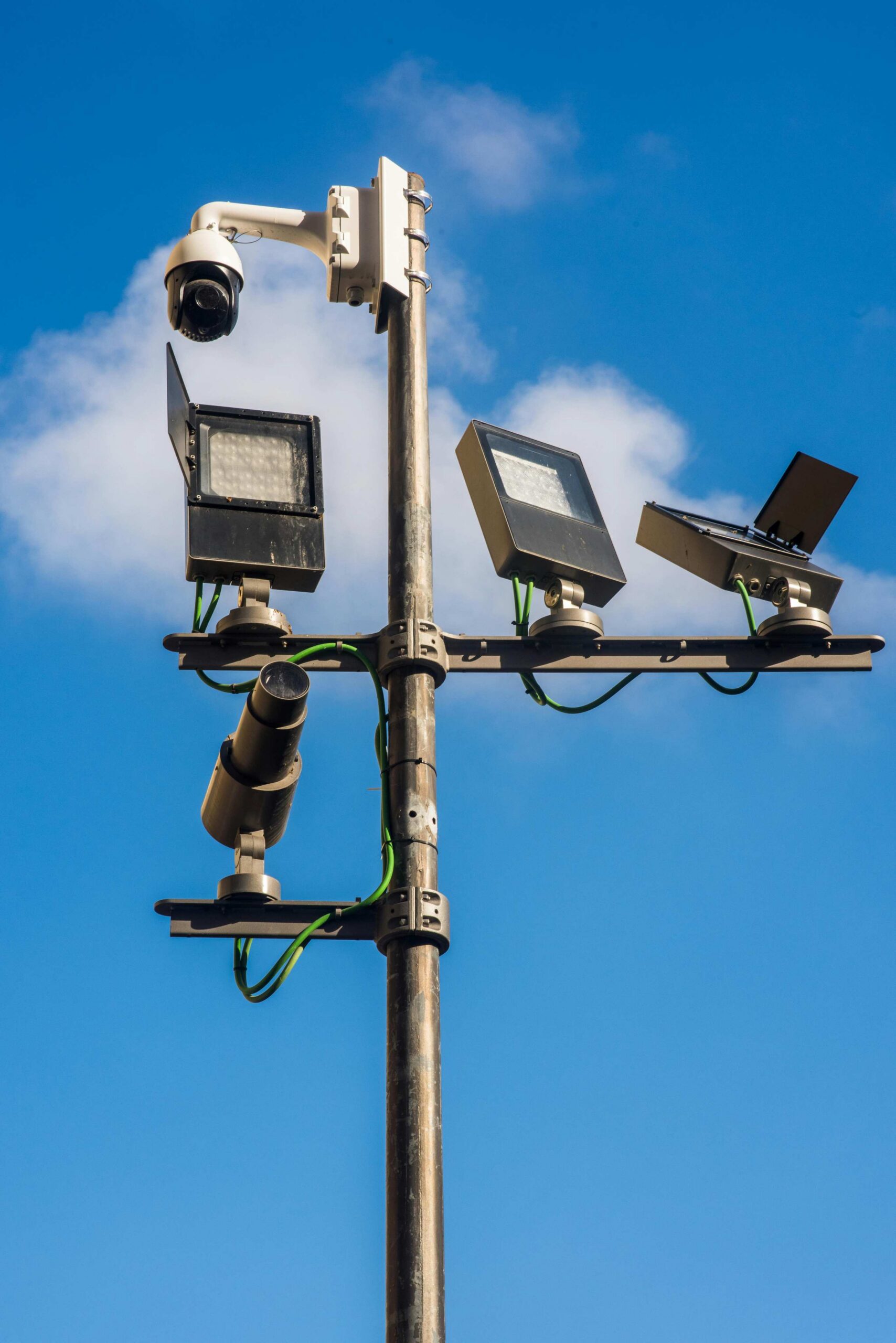
We’re living in an era where the “Energy Web” is just as vital as the World Wide Web. But as we add automation and intelligence to our electrical networks, we also open the door to digital intruders.
The challenge? Power systems need to transmit data at lightning speeds. To keep things fast, traditional Power System Security features like encryption and key management are often skipped in protocols like DNP3, MODBUS, and IEC-61850. This creates a massive target for cyber-physical attacks.
In this course, we move beyond basic IT firewalls to explore the specialized world of Smart Grid Cyber-Security. You’ll dive deep into Load Frequency Control (LFC), learn how to model sophisticated multi-area attacks, and use cutting-edge Machine Learning and signal processing to detect threats before they cause a blackout. If you want to be the professional who ensures our critical infrastructure remains resilient and unshakeable, you’re in the right place
What You`ll Learn on This Course
-
Grid Fundamentals: Understand the Smart Grid cyber-physical landscape and why speed often trumps security in legacy protocols.
-
Control System Mastery: Explore the progressive developments in frequency control and the vital role of LFC in grid stability.
-
Advanced Attack Modeling: Learn to simulate and analyze complex attack scenarios on Multi-Area LFC systems.
-
Vulnerability Assessment: Conduct rigorous evaluations to identify weak points and enhance overall grid resilience.
-
MITRE ATT&CK for OT: Leverage the MITRE ATT&CK framework to catalog adversary tactics specifically for smart grids.
-
Signal-Based Detection: Apply Singular Spectral Analysis (SSA) for high-speed, multi-level Attack Detection.
-
AI-Driven Defense: Use Machine Learning techniques, specifically Support Vector Data Description (SVDD), for real-time threat spotting.
-
Mitigation & Recovery: Design robust strategies to safeguard against malicious acts and ensure rapid system recovery.
This course comes with:
Interactive Lessons
13+ Interactive Lessons | 50+ Exercises | 96+ Quizzes | 160+ Flashcards | 160+ Glossary of terms
18+ LiveLab | 18+ Video tutorials | 01:09+ Hours
Curriculum
- 2 Sections
- 0 Lessons
- 26 Weeks
- Lesson Plan
1. Nomenclature
2. Smart Grid Cyber-Physical System: An Overview
- Introduction
- Smart Grid Cyber-Physical System
- Issues in Smart Grid Cyber-Physical Systems
- Attacks on Smart Grid Systems
- Defense in Depth Security Approach
- Cyber-Security in Smart Grid Control
3. Smart Grid Control
- Introduction
- Smart Grid Control and Cyber-Security
- Frequency Control
- Load Frequency Control Modeling
- State-Space Representations
- Load Frequency Control Cyber-Physical System
- Summary
4. Attack Modeling for Smart Grid Control
- Introduction
- Smart Grid Attack Modeling Overview
- Multi-area Load Frequency Control (MA-LFC)
- Attack Modeling for MA-LFC
- Stealth/Undetectable Attacks
- Multiple-Attack Model
- Attack Impact Analysis for IEEE 39-Bus New England Test System LFC
- Future Scope
- Summary
5. Vulnerability Assessment for Multi-area Load Frequency Control
- Introduction
- Data Penetration Testing
- Cascading Outage Model
- Vulnerability Assessment
- Detailed Risk Quantification Methodology
- Case Study: Vulnerability Assessment for 9-Bus and 39-Bus New England Systems
- Summary
6. MITRE ATT&CK for Smart Grid Cyber-Security
- Introduction
- Understanding MITRE ATT&CK
- Mapping Threats to Smart Grids
- Using MITRE ATT&CK for Smart Grid Defense
- MITRE ATT&CK for Vulnerability Assessment and Penetration Testing (VAPT)
- Analyze the Likelihood, Impact, and Risk Scores
- Case Study: MITRE ATT&CK for Substation VA
- Summary
7. Signal Processing-Based Attack Detection
- Introduction
- Multi-level Attack Detection
- Singular Spectral Analysis (SSA)-Based Attack Detection
- Process Level Single Variate Attack Detection
- Multivariate SSA for Control Center Level Detection
- Performance Analysis of Detection Algorithm
- Multi-level Attack Detection Results
- Hypothesis Testing-Based Attack Detection
- SSA Hoeffding Test-Based Hypothesis Testing
- Adaptive Threshold Selection
- Adaptive Attack Detection Results
- Summary
8. Machine Learning-Based Attack Detection
- Introduction
- Machine Learning in Smart Grid Attack Detection
- Support Vector Data Description Based Online Attack Detection
- Simulation Results and Discussions
- Summary
9. Attack Mitigation and Recovery in Smart Grid Control
- Introduction
- Attack Mitigation in Smart Grids
- Adaptive Control-Based Attack Mitigation
- Attack Mitigation for 39-Bus 3 Area System
- IoT-Based Hardware Model
- Research Scope
- Summary
Appendix A: Test Systems Data
- A.1 IEEE 9-Bus System
- A.2 39-Bus New England Test System
- A.3 IEEE 300-Bus System
Appendix B: Detailed Equations for Cascading Outage Model
Appendix C: Information Theory and Hypothesis Testing
- C.1 Hoeffding Test
- C.2 Neyman-Pearson Theorem
Appendix D: Proofs of Theorems
- D.1 Theorem 3.1
- D.2 Theorem 6.1
- D.3 Theorem 6.2
0 - Hands-on LAB Activities
1. Smart Grid Cyber-Physical System: An Overview
- Implementing an IDS
- Configuring Router ACLs for DMZ-like Traffic Control
2. Smart Grid Control
- Simulating a Basic LFC Model
3. Attack Modeling for Smart Grid Control
- Simulating a DDoS Attack
- Simulating a DoS Attack
- Simulating a MA-LFC Model
- Performing Attack Impact Analysis on the 39-Bus System Using LFC
4. Vulnerability Assessment for Multi-area Load Frequency Control
- Performing VA on a 9-Bus System
- Performing VA on the 39-Bus New England System
5. MITRE ATT&CK for Smart Grid Cyber-Security
- Examining MITRE ATT&CK
- Conducting Red-Teaming Exercises Using MITRE ATT&CK Tactics and Techniques
6. Signal Processing-Based Attack Detection
- Performing an MITM Attack
- Defending Against IP Spoofing
- Performing MSSA-Based Cyber-Attack Detection for a Multi-Area LFC System
- Implementing Multi-Level Attack Detection Using SSA and MSSA in Power Systems
- Implementing Adaptive MSSA-Based Attack Detection in MAPS
7. Machine Learning-Based Attack Detection
- Performing SVDD-based Attack Detection
8. Attack Mitigation and Recovery in Smart Grid Control
- Implementing Attack-Resilient LFC on a 39-Bus 3-Area System
0